National Day for Truth and Reconciliation & Orange Shirt Day: September 30
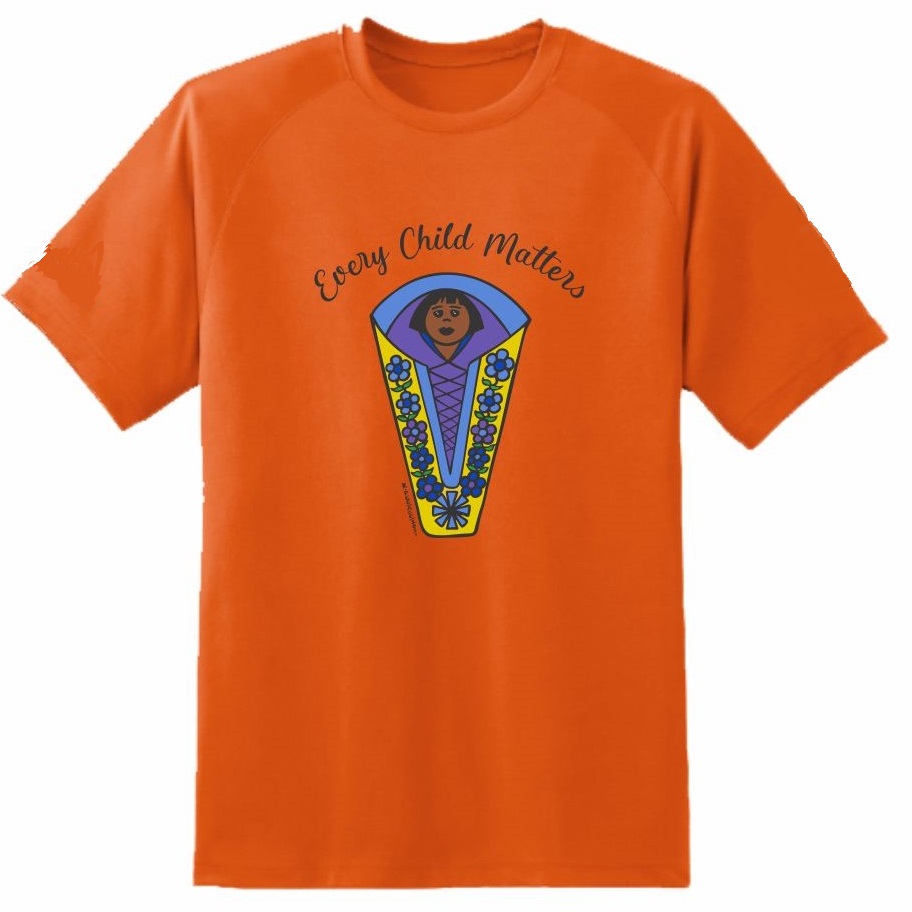
September 30 has been Orange Shirt Day since 2013. It’s now also officially designated a federal statutory holiday: National Day for Truth and Reconciliation, in recognition of the harm the residential school system did to Indigenous children in Canada.
The use of an orange shirt as a symbol was inspired by the accounts of Phyllis Jack Webstad, whose personal clothing—including a new orange shirt—was taken from her during her first day of residential school, and never returned. The orange shirt is a symbol of the forced assimilation of Indigenous children in the residential school system, and to promote the concept that Every Child Matters.
National Ribbon Skirt Day: January 4
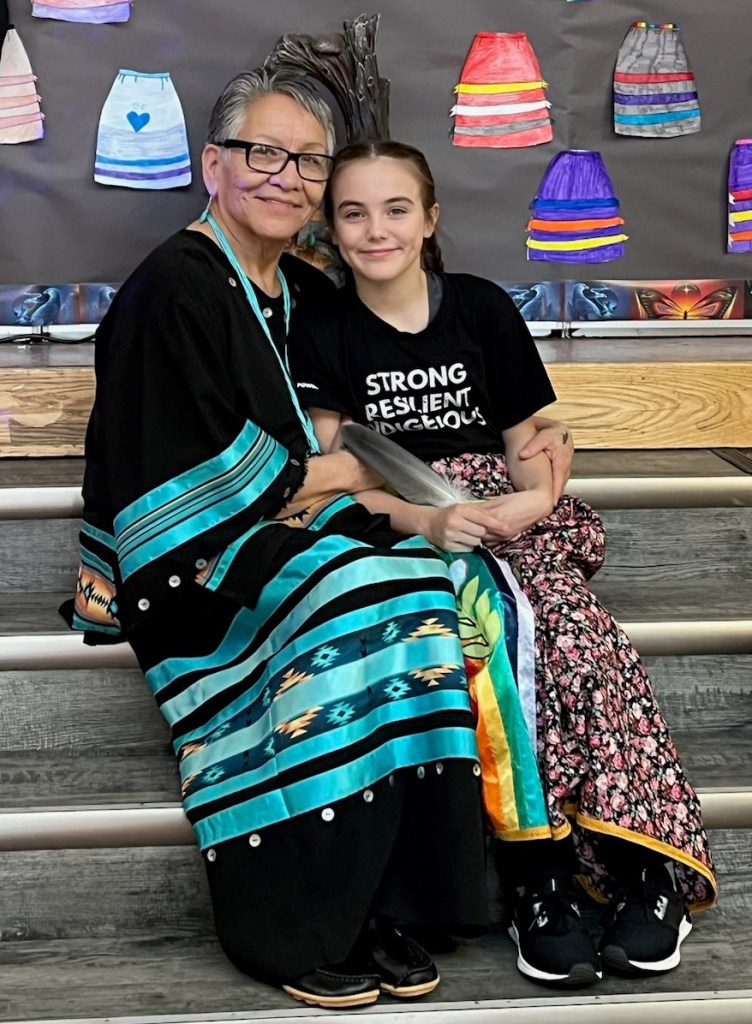
In December 2020, 10-year-old Indigenous student Isabella Kula chose to wear a traditional ribbon skirt to her school’s formal event. In Indigenous culture, ribbon skirts are reserved for special ceremonies or events. It’s a garment you wear with immense pride—only Kulak was told by a teaching assistant that her skirt was inappropriate, and she was encouraged to change.
On the first day back to school after the holidays (Jan 4), Isabella’s family accompanied her back to school in their ribbon skirts and ribbon shirts, along with a drum group, and chiefs from surrounding First Nations. The school division’s director accepted full responsibility for what had happened and recognized the event as an example of systemic racism. He apologized and promised Isabella and her family that the school would do better. See the CBC article here.
Jan. 4, 2023, marks the first National Ribbon Skirt Day, a day where Indigenous women across the country are encouraged to wear ribbon skirts to celebrate their culture, their strength and their connection as women.
Left: Isabella and her Great Aunt, Knowledge Keeper Judy Pelly.
MMIWG2SLGBTQQIA+: May 5
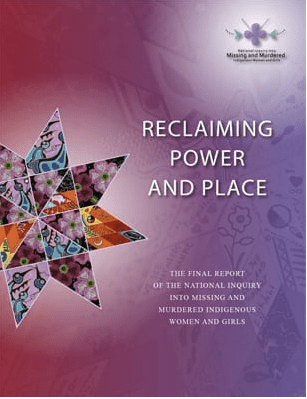
May 5th is the National Day of Awareness for Missing and Murdered Indigenous Women, Girls, and 2SLGBTQQIA+ Peoples (MMIWG2SLGBTQQIA+). This day is also known as Red Dress Day after Jaime Black’s REDress art installation which helped inspire the red dress movement. On May 5th, many people across North America hang red dresses in private and public spaces to remember those who are missing and murdered.
National Indigenous People’s Day: June 21
On June 21st, we pay special attention to National Indigenous People’s Day, a day for all Canadians to honour and celebrate the legacy, diverse cultures and exceptional contributions of First Nations, Inuit, and Métis Peoples. Although these groups share many similarities, it is important to acknowledge that they each have their own unique heritage, language, cultural traditions, and spiritual beliefs.
While this day is recognized as a statutory holiday in the Northwest Territories and Yukon, it is not yet a statutory holiday in the rest of Canada.
Indigenous Nurses Day in B.C: April 10
Indigenous Nurses Day in B.C. has been declared by the BC Nurses’ Union, the Canadian Institute of Health Research, the Canadian Nurses Foundation, the First Nations Health Authority, and Thomson Rivers University, with an endorsement from the Canadian Federation of Nursing Unions.
Indigenous Nurses Day is an opportunity to celebrate the immense contributions of Indigenous Nurses to health and wellness. In 2022, the inaugural Indigenous Nurses Day was held in celebration of the birth of Edith Montour and to recognize Rose Casper, Western Canada’s first Indigenous Nurse.
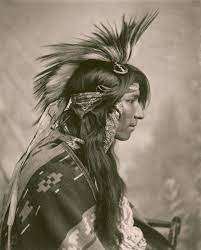
National Indigenous History Month: June
In 2009, June was declared National Indigenous History Month in Canada. During this month, we celebrate and honour the history, heritage and diversity of First Nations, Inuit, and Métis Peoples in Canada. This month is also a time for all Canadians to learn about, appreciate and acknowledge the Indigenous Peoples of Canada’s immense contributions, both past and present.
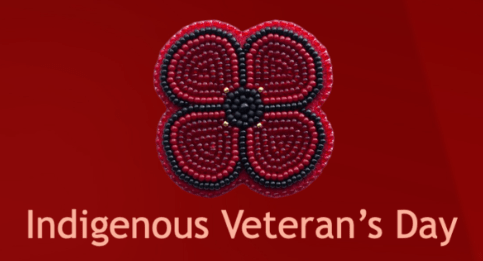
Indigenous Veterans Day (National): November 8
Every year on November 8th, we honour Indigenous Veterans Day by paying tribute to the important contributions and sacrifices made by First Nations, Inuit, and Métis peoples in service to Canada. Even before Canada was a country, Indigenous Peoples have fought to defend our country and our values. Where there has been conflict, where peace, security and safety have been threatened, Indigenous Peoples from across Canada have answered the call. On this day and throughout Veterans’ Week, we thank the thousands of First Nations, Inuit and Métis who have served and are serving.
 kā-wīci-pimohtēmāt Professional Practice Group