

Allyship: an active, consistent, and arduous practice of unlearning and re-evaluating, in which a person in a position of privilege and power seeks to operate in solidarity with a marginalized group.
Responsibilities:
- we are not acting out of guilt, but rather out of responsibility
- we actively acknowledge our privilege and power and openly discuss them: we recognize that as recipients of privilege we will always be capable of perpetuating systems of oppression from which our privilege came
- we listen more and speak less: we hold back on our ideas, opinions, and ideologies, and resist the urge to “save” the people we seek to work with as, with adequate resources and support, they will figure out their own solutions that meet their needs
- we do our work with integrity and direct communication: we take guidance and direction from the people we seek to work with (not the other way around), and we keep our word
- we do not expect to be educated by others: we continuously do our own research on the oppressions experienced by the people we seek to work with, including herstory/history, current news, and what realities created by systems of oppression look, feel, smell, taste and sound like
- we build our capacity to receive criticism, to be honest and accountable with our mistakes, and recognize that being called out for making a mistake is a gift—that it is an honour of trust to receive a chance to be a better person, to learn, to grow, and to do things differently
- we embrace the emotions that come out of the process of allyship, understanding that we will feel uncomfortable, challenged, and hurt
- our needs are secondary to the people we seek to work with: we are responsible for our self-care and recognize that part of the privilege of our identity is that we have a choice about whether or not to resist oppression; we do not expect the people we seek to work with to provide emotional support (and we’re grateful if they do)
- we do not expect awards or special recognition for confronting issues that people have to live with every day and redirect attention to the groups we are supporting, and the issues they face, when we do
The above definition and list is from The Anti-Oppression Network, a coalition of individuals, grassroots groups, and community organizations dedicated to grounding our work towards liberation in the principles of decolonization, anti-oppression and intersectionality.
Resources
The Kairos Blanket Exercise
The KAIROS Blanket Exercise is a program of KAIROS CANADA. KAIROS Canada is an ecumenical movement for ecological justice and human rights around the globe. https://www.youtube.com/watch?v=KzXdi_RDkjc
Anti-Racism Network
The Anti-Racism Network is a growing alliance of community members from over 30 organizations across Saskatchewan. On their website, you can sign up for their newsletter, volunteer, and browse resources for more information on incorporating anti-racism into your personal and professional settings. Follow on Facebook as well.
Anti-Racism Guideline
The College of Registered Nurses of Saskatchewan (CRNS) has approved this Anti-Racism Guideline, as of November 6, 2024.
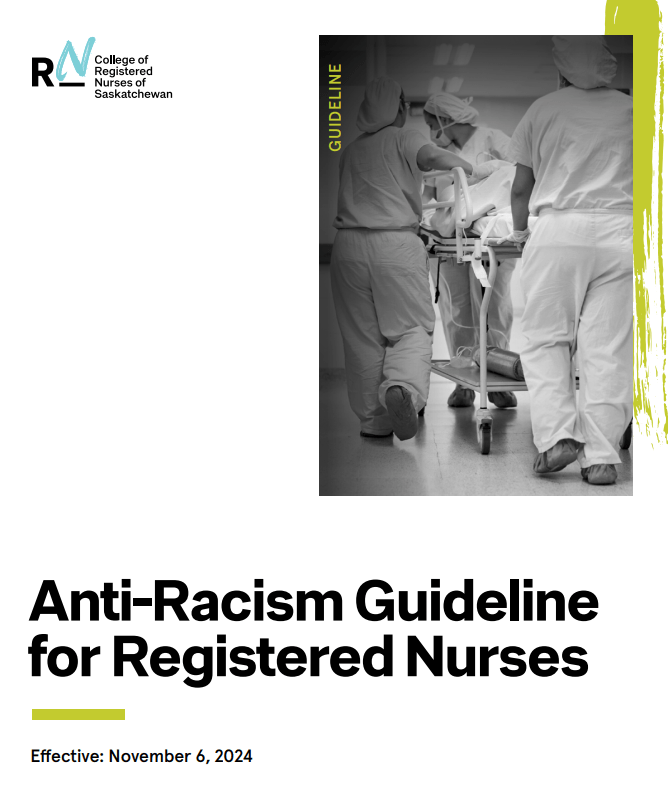
The guideline defines individual and systemic racism experienced by Indigenous Peoples, people of color, visible minorities and co-workers. This guidelines is also published on the CRNS site.
Saskatchewan Intercultural Association
Explore anti-racism education and stay up to date on intercultural harmony events at this link.
Article: We built a life from nothing.
SHEELAH McLEAN (PhD) is a high school teacher, researcher and scholar
in anti-racist anti-oppressive education. In 2018 she wrote “We built a life from nothing”: White Settler Colonialism and the Myth of Meritocracy. This short article is a must-read for everyone beginning their anti-racist, anti colonial education.
SHA Indigenous Hair Cutting Policy
The Saskatchewan Health Authority (SHA) has introduced a new policy aimed at protecting the cultural and spiritual significance of hair for Indigenous patients in health-care settings, after several Indigenous patients said their hair had been cut or shaved without their consent. Read the policy, which was formalized in August of 2025, here.
Toolkits

CPR RACISM
Dr. Holly Graham created the CPR RACISM guide in response to the common questions heard from nursing students and professionals: Where do I begin? How can I address racism in healthcare? How do I teach my nursing students to effectively intervene when they witness racism?
Download the article for CPR RACISM here. See the video created with CRNS here.
Download the pdf for the above graphic here.
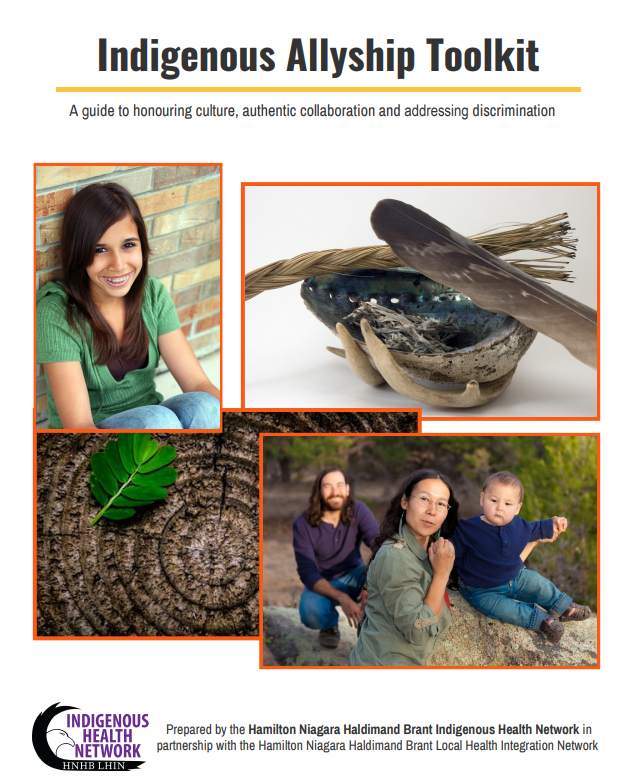
Indigenous Allyship Toolkit
This toolkit from the Hamilton Niagara Haldimand Brant Indigenous Health Network was written for health care providers and includes understanding how the colonial relationship affects health care relationships today, understanding and acknowledging bias, and what to do when witnessing discrimination.
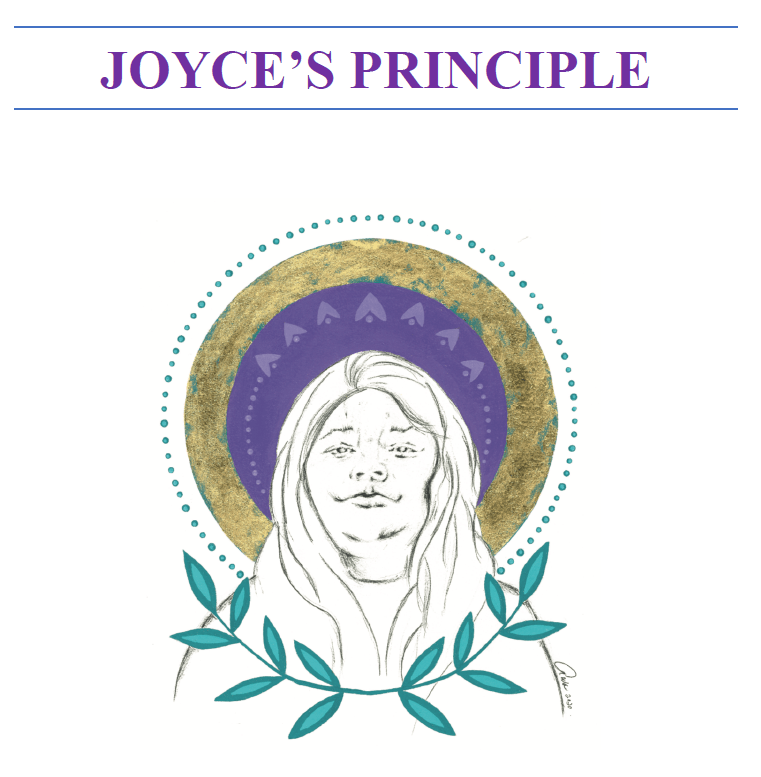
Joyce’s Principle
Joyce’s Principle aims to guarantee to all Indigenous people the right of equitable access, without any discrimination, to all social and health services, as well as the right to enjoy the best possible physical, mental, emotional and spiritual health.
Joyce’s Principle requires the recognition and respect of Indigenous people’s traditional and living knowledge in all aspects of health.
Indigenous Ally Toolkit
This toolkit by the Montreal Urban Aboriginal Community Strategy Network describes the series of steps required to become a true ally.
See more Tools on the Nursing and Reconciliation page.
Taking Action to Address Indigenous-Specific Racism in Nursing
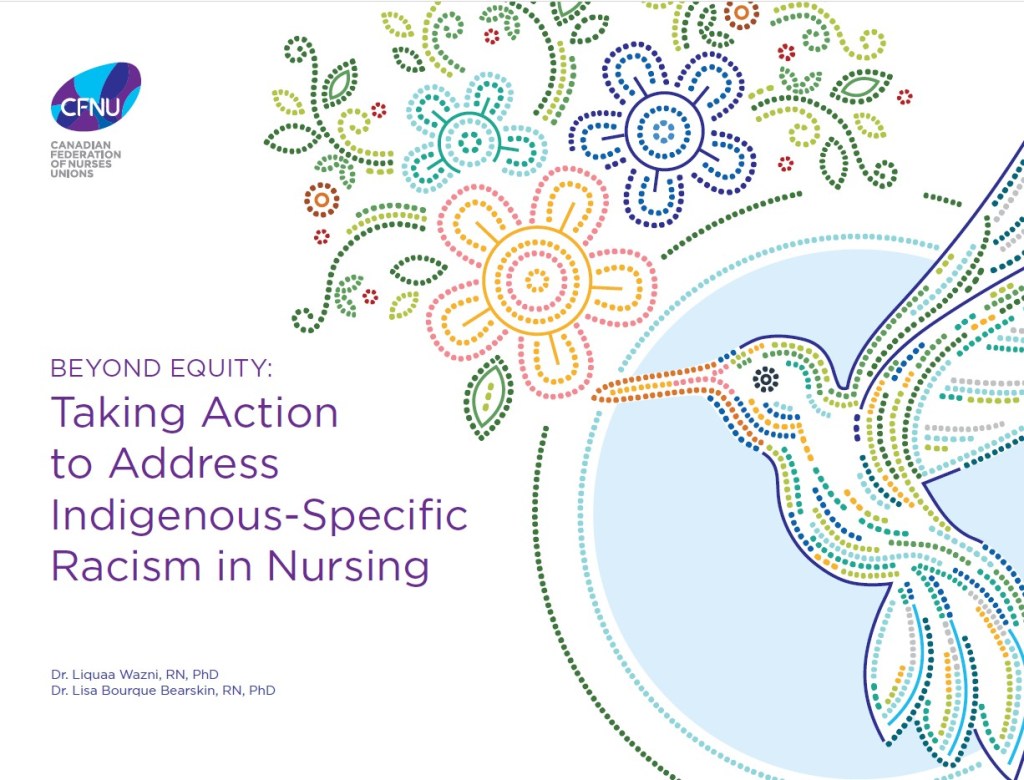
The CFNU commissioned this report to coincide with their formal apology to Indigenous Peoples for nurses’ role in health care, along with a commitment to do better.
A Commitment to Truth and Reconciliation: Videos
Dr. Holly Graham, Indigenous Research Chair in Nursing at the College of Medicine, University of Saskatchewan, partnered with the CRNS to create these videos on nursing and reconciliation. “Through collaboration with employers, educators, regulators, direct care providers, leaders, and members of the public from across the province, this video represents a heartfelt apology to the Indigenous Peoples of this nation. It’s a testament to our commitment to lead the journey toward reconciliation.” – CRNS, 2023
A Commitment to Truth and Reconciliation (7 minute YouTube video)
Shorter videos: Video 1 (Judy Pelly, Knowledge Keeper; Lynsay Nair, LPN; Cassandra Leggot, NP; Tina Campbell, RN; Cindy Smith, RN)
Video 2 (Jann-Lea Yawney, RN; Michael McFadden, NP; Kathy Chabot, RN; Dr. Solina Richter, RN; Leah Thorpe, RN)
Video 3 (Cindy Smith, RN; Tracy Muggli, Social Worker)
Video 4 (Dr. Cheryl Pollard, RN, RPN; Barbara MacDonald, RN; Christa McLean, RN; Moni Snell, NP; Dr. Mary-Ellen Walker, RN & Council Members)
Video 5 (Andrew McLetchie, RN; Carmen Levandoski, RN; Doug Finnie, Council for CRNS; Mariam Nganzo, RN)
Video 6 (Beverly Balaski, NR; Kendra McKay, NP)
Music: O Siem was written by Susan Aglukark in 1995. O Siem, meaning a joyful greeting for family and loved ones, is “an anthemic call to turn away from racism and prejudice” according to Historica Canada.
 kā-wīci-pimohtēmāt Professional Practice Group