

Trauma-Informed Caring is a framework that is based on understanding and responding to the impact of trauma. It emphasizes physical, psychological, and emotional safety for everyone, and allows survivors to rebuild a sense of control and empowerment. Below are some resources for health care professionals working with Indigenous people who have experienced trauma.
ACEs (Adverse Childhood Experiences)

Thanks to a ground-breaking study done by the Centres for Disease Control and Prevention in the mid-nineties, health care professionals now realize the traumatic events people experienced in childhood can cause significant and long-lasting chemical changes in both brain and body. These changes can make a person sick, and also increase their chances of serious medical problems in adulthood

Historic Trauma and Aboriginal Healing
In caring for those who have suffered historical trauma, it is vital to understand the connection between historical and contemporary trauma in Indigenous peoples. This report uses a variety of disciplines, including history, anthropology, psychology, psychiatry, sociology and political science, to help the reader understand how historic trauma can be understood as a valid source of continuing dis-ease and reactivity to social forces in Indigenous communities, and makes recommendations for healing.
Trauma–Informed Practice Guide
Trauma-Informed Practice is a care framework that is based on understanding and responding to the impact of trauma. It emphasizes physical, psychological, and emotional safety for everyone, and creates opportunities for survivors to rebuild a sense of control and empowerment. This guide supports the translation of trauma-informed principles into practice.
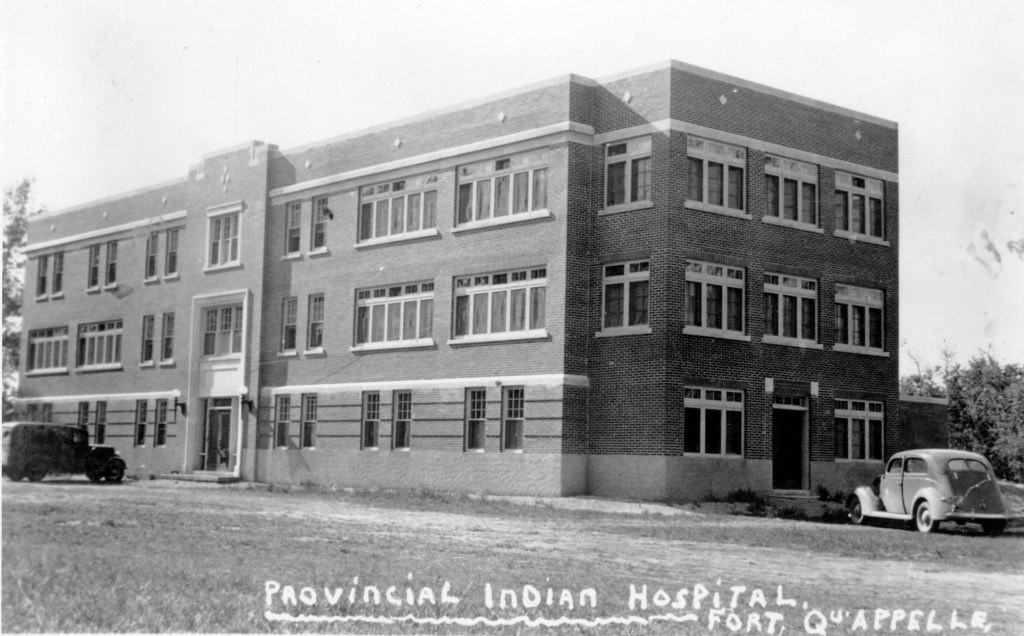
Fort Qu’Appelle Indian Hospital
The Fort Qu’Appelle Indian Hospital was opened in 1909 as a 50-bed segregated Tuberculosis facility for First Nations and Métis patients.

The legacy of the Indian Hospitals
The legacy of the Indian hospitals are still present today in our health system – as “a system developed under the promise of health care in the face of rising tuberculosis rates that instead delivered segregation, isolation, and pain.”
 kā-wīci-pimohtēmāt Professional Practice Group